
Operations Manual
The core reference document. It covers daily procedures, staffing structure, opening and closing routines, and the standards a franchisee is contractually expected to maintain.

Franchise Readiness Consulting · Poland
Yehuta Xucoku works with Polish food and service brands that are ready to grow but have never had to write down how their business actually works. We build the manual, the standards, the fee logic and the recruitment materials. We do not sell franchises and we do not represent any network.
Most brands we meet already run a solid business. The kitchen works, the service feels right, the margins hold up under normal pressure. What tends to be missing is the layer underneath all of that: the documented version of the business that a stranger could follow without daily supervision. That gap is rarely visible from inside the company, because everyone already knows how things are done and nobody has had to write it down for someone new.
Franchise readiness is the process of closing that gap before the first franchisee signs anything. It means recipes stop living in someone's head and start living in a standardised document with weights, timings and tolerances. It means service steps are described precisely enough that two different locations feel recognisably like the same brand. None of this replaces the original team's judgment, but it does make that judgment transferable.

Each part depends on the one before it. We usually work through them in this order, though the pace differs from brand to brand depending on how much documentation already exists.
The core reference document. It covers daily procedures, staffing structure, opening and closing routines, and the standards a franchisee is contractually expected to maintain.
Recipes are rewritten with exact measurements, timings and substitution rules. Service sequences are broken into steps that can be trained and checked, not just observed.
We model entry fees, ongoing royalty percentages and marketing contributions against realistic unit economics, so the structure holds up once real locations start reporting numbers.
A clear, honest presentation used to explain the concept to prospective franchisees, including investment ranges, obligations and what support looks like after signing.
We stay involved through the first three locations, adjusting the manual and training approach based on what actually happens once real teams are running the system.

We do not sell franchises on behalf of a brand, and we do not represent or manage any franchise network once the system is built. Our role is to prepare the operational and commercial groundwork so that a brand can franchise responsibly, not to act as its sales arm or its ongoing network operator. Those are different skill sets, and combining them tends to create conflicts of interest that are hard to notice from the inside.
This distinction shapes how we're paid, too. We are engaged to produce specific deliverables: a manual, a set of standards, a fee model, a presentation, and hands-on support through early openings. Once that work is delivered and the openings are stable, our involvement in that particular engagement naturally winds down, unless the brand wants ongoing review as the network grows.
We spend time in the existing operation, talking to staff, watching service, and reading whatever documentation already exists, even if it's incomplete or informal. This tells us how much genuinely needs to be built versus reorganised, and where the concept's real strengths sit.

Recipes, prep procedures, service scripts and staffing ratios are written into a structured manual. We test drafts against actual shifts wherever possible, because a procedure that sounds clean on paper sometimes falls apart under a Friday night rush.

We build the franchise fee model, royalty logic and territory assumptions, checking them against the unit economics observed during the diagnostic phase. This step usually involves several rounds of adjustment before the numbers feel realistic to both sides.

The recruitment presentation is drafted and refined, then we support the brand through the operational reality of the first three openings, updating the manual as real conditions surface issues the diagnostic phase couldn't fully predict.



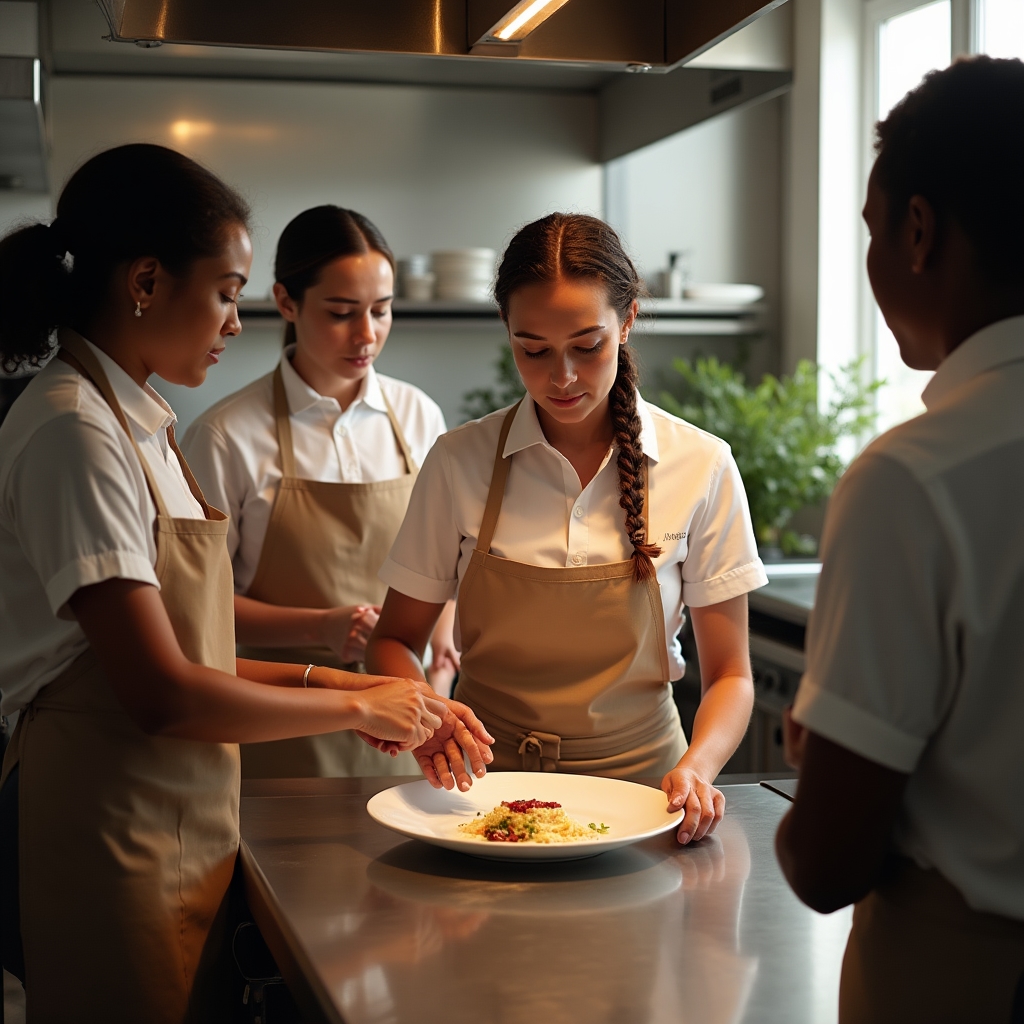

How POS, training and inventory systems get woven into the manual.
The general cadence of onboarding sessions run during opening support.
Readiness work for hospitality and short-term rental service brands.
Tell us where your concept stands today and what you're weighing up.